

13 October 2026
Is There Lye In Soap?
Yes. And no. Both are correct.
Every real soap is made with lye. None of it should be left in the bar you wash with. "Lye soap" is not a special, old-fashioned, slightly dangerous kind of soap. It is all soap. Including ours.
The confusion is understandable. Lye is a frightening word, and it sits on the label of every bar we make. So here is what it is, where it goes, and why the label says what it says.
What is lye?
Lye is the everyday name for sodium hydroxide, written NaOH on a label. It is a strong alkali. Raw, it comes as white flakes or beads, and dissolved in water it is caustic enough to burn skin. Liquid soaps are usually made with its cousin, potassium hydroxide. Bar soap is made with sodium hydroxide.
Before chemical plants existed, lye was made by running water through wood ash. That is roughly how soap was made for most of history: animal fat, ash water, a big pot and a lot of guessing.
During making
Lye — sodium hydroxide — is used to make every bar. It is caustic. It requires protective equipment and careful handling. This is not hidden. It is on the INCI list of every soap we make because EU regulation requires us to declare it. We agree with that requirement.
In the finished bar
None. The lye reacted with the oils during saponification. The reaction consumed both. What remains is soap molecules — sodium olivate, sodium cocoate, and the other saponified oils — plus glycerin. The lye is gone. It became the bar.
This is why the recipe matters. The amount of lye is calculated for the exact oils in each soap. Then the bars cure for six to eight weeks, which gives the reaction time to finish completely. Cold process soap is not the shortcut method. It is the slow one.
What is lye soap?
When people search for lye soap, they usually mean real soap made the traditional way, from fats and lye, as opposed to a bar of synthetic detergent. The phrase carries a reputation. Old farmhouse lye soap was often harsh, because it was made by eye. Nobody weighed anything. The strength of ash lye changed from batch to batch. Too much of it, and the bar burned.
A modern lye soap is the same reaction, measured to the gram.
Same idea. Different century.
Is lye soap safe?
Made properly, and fully cured, yes — and "properly" is the important word, not a decoration. A correctly calculated soap uses up its lye completely. In the EU, every cosmetic, soap included, needs a safety assessment before it can be sold. Our soaps are tested by certified laboratories and pass required microbiological safety standards. The paperwork is on the Evidence page.
What lye soap is, like every true soap, is alkaline. Soap has a pH of around 9-10. That is not leftover lye. That is what soap is.
Is lye in soap harmful?
Raw lye is harmful. That is why it is handled with gloves and goggles, and kept away from children, pets and anyone curious.
Lye in finished soap is not harmful, because in a finished, cured, correctly made bar there is no lye left to be harmful. What a soap can be is harsh: if the recipe used too much lye, or if the bar was sold before it finished curing. That is a badly made soap, not a property of soap.
Does handmade soap have more lye than supermarket soap?
No. Every true soap is made by the same reaction, in a factory kettle or a workshop pot. What changes is the scale, the oils, and what happens afterwards. Industrial soap is made in enormous batches, and the glycerin is usually removed and sold separately. Handmade soap is made in small batches, with the lye calculated for each recipe, and the glycerin stays in the bar. Neither should contain any lye once it is finished.
On every soap label
You will see NaOH Sodium Hydroxide listed. This is correct under EU Cosmetics Regulation — ingredients used in production are declared even when they are not present in the finished product. This is not us hiding anything. This is us following the rules and explaining them.
Is there lye in supermarket soap?
Every commercial soap contains lye. The mildest baby soap on the pharmacy shelf was made with sodium hydroxide. Without it there is no soap. There are only detergent bars — synthetic surfactants in a pressed format, which is what most commercial "soap" actually is.
You can tell which is which without asking anyone. Turn the bar over and read the ingredients. If you see an oil and sodium hydroxide, or names like sodium olivate, sodium cocoate, sodium palmate or sodium tallowate, it is soap, and it was made with lye. If the first ingredients are names like sodium cocoyl isethionate or sodium lauroyl isethionate, it is a detergent bar. Words like "beauty bar", "cleansing bar" or "soap-free" on the front usually mean the same thing.
Neither is wrong. They are different products. The label just should not pretend otherwise.
Our shampoo bars are not soap
Our shampoo bars are syndet bars — synthetic detergent, pH-adjusted for hair. They are not soap. We say this clearly because the distinction is real. Soap is alkaline, and hair prefers something closer to its own pH, which is why our solid shampoo bars are built to clean hair rather than to be soap.
Can you make soap without lye?
No. Products sold as "lye-free soap" are either detergent bars, or melt-and-pour soap made from a base that someone else already made with lye. The lye was there. It just happened in another building.
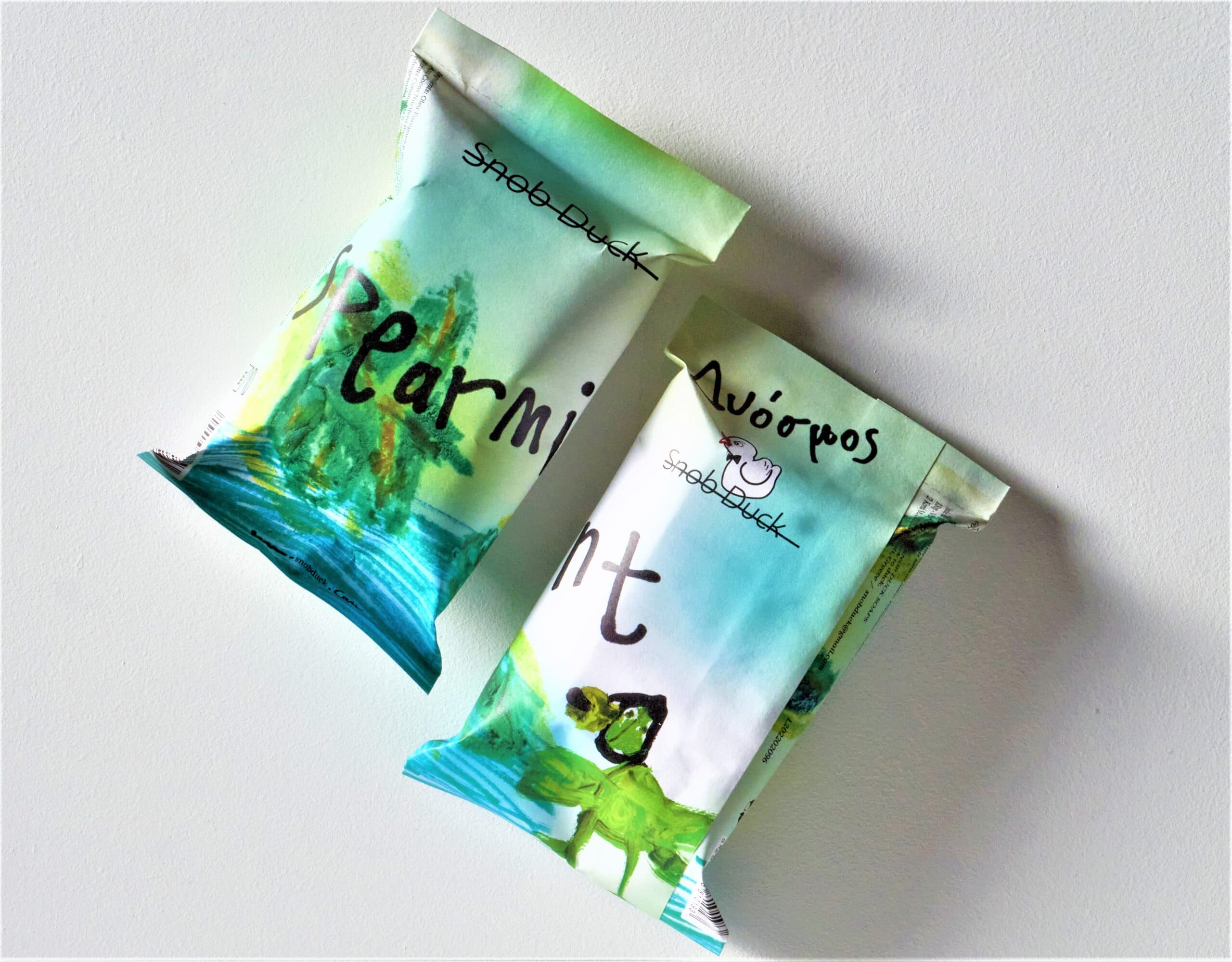
If a label promises soap without lye, it is either not soap, or not telling you the whole story. Ours tells you on the back of the box.
The INCI, the pH and the laboratory certificate are on one page.
Evidence →