


13 October 2026
What Saponification Actually Means.
Fat plus lye plus time equals soap.
That is saponification. Everything else is chemistry explaining why.
Every bar of real soap, ours included, is made by saponification. The word sounds like a lab exam. The idea is simple enough to explain before your coffee goes cold. This page does the simple version first, then the chemistry, then the questions people actually type into Google, including one we did not expect. Our soaps, every one of them saponified, are on The Range.
What is saponification in simple terms?
Saponification is the reaction that turns fat into soap. You take an oil or a fat, add lye, and the two react. The oil stops being oil. The lye stops being lye. What is left is soap and glycerin.
The word comes from the Latin sapo, soap. Saponification literally means soap-making. Chemists did not try very hard with this one.
The chemistry
Oils and fats are triglycerides — glycerol molecules with three fatty acid chains. Sodium hydroxide dissolved in water provides hydroxide ions that break the ester bonds holding those chains to the glycerol. The fatty acids recombine with sodium to form soap molecules. The glycerol is released as glycerin.
In numbers: one molecule of fat plus three of sodium hydroxide gives three molecules of soap and one of glycerin.
Neither the original oil nor the original lye exists in the finished bar. Both were transformed. The olive oil became sodium olivate. The coconut oil became sodium cocoate. The lye became part of the soap molecule. The glycerol became glycerin that stays in our bars because we don't remove it.
Why soap cleans
A soap molecule has two ends. One end likes water. The other end likes oil and grease. When you wash, the oily end grabs the grime and the watery end lets the rinse carry it away. That is the whole job, and soap has been doing it reliably for a very long time.
Does saponification work with any oil?
It works with any fat or oil made of triglycerides, which is almost all of the ones you can cook with. Olive oil, coconut oil, shea butter, cocoa butter, castor oil, and animal fats like tallow and lard all saponify. Mineral oil does not, because it is not a fat at all. It is a petroleum product, and lye has nothing to grab onto.
Each oil makes a slightly different soap. Coconut oil makes a hard bar with big bubbles. Olive oil makes a gentle bar that takes its time to harden. That is why most recipes, ours included, are blends.
Is glycerin a by-product?
In a factory, yes. Glycerin is valuable in other markets, so industrial soap makers separate it out and sell it. In a small workshop, it is simply part of the bar. The reaction produces it, and nothing takes it away. In ours, it stays.
Why this matters
It explains why lye — caustic in raw form — produces a safe finished product when the formula is correct and the bar is fully cured. No active lye remains. The reaction consumed it. The longer answer is in Is There Lye In Soap?
It also explains why the INCI lists Olea Europaea (Olive) Oil and NaOH Sodium Hydroxide separately — because both went in, even though what came out was neither of those things. It is a declaration of what was used in production, not what is present in the bar.
What is saponification in skin care?
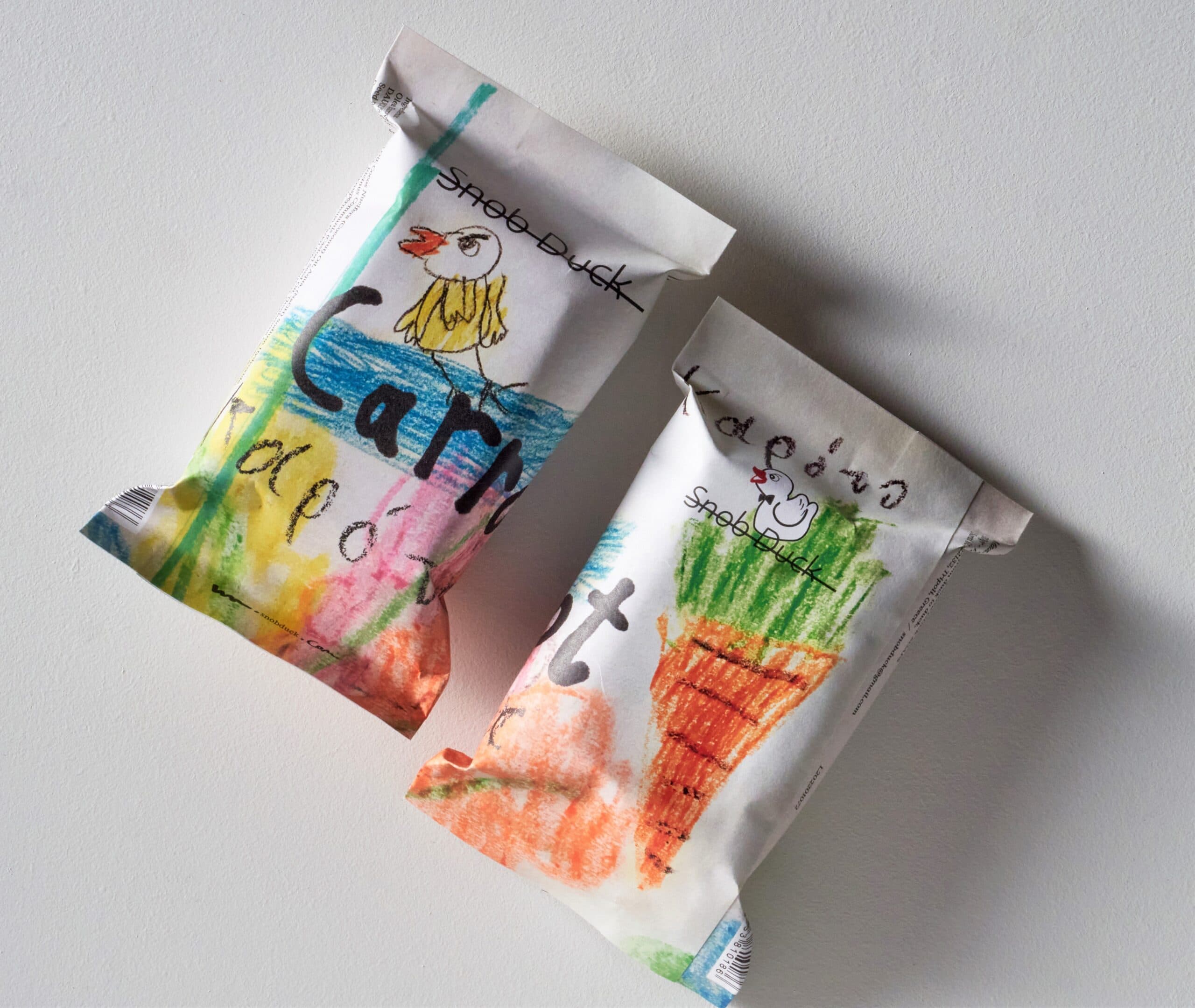
On a cosmetic label, saponification shows up in one of two ways. Some labels list what went in: the oils and the sodium hydroxide. Ours do. Other labels list what came out: sodium olivate for saponified olive oil, sodium cocoate for coconut oil, sodium shea butterate for shea butter, sodium castorate for castor oil. Some packaging says "saponified oils of…", which means the same thing in friendlier words.
All of these describe soap. If a product calls itself soap and its label shows none of them, it is worth asking what it actually is.
Is saponified soap safe?
Saponified soap is just soap. Every true soap is saponified. A correctly calculated, fully cured bar contains no active lye. In the EU it also cannot be sold without a safety assessment. Our soaps are tested by certified laboratories, and the paperwork sits on the Evidence page.
Saponification values
Every oil needs a different amount of lye to turn completely into soap. The figure is called its saponification value, and soap makers look it up for every oil in a recipe. Olive oil needs about 0.135 grams of sodium hydroxide per gram of oil. Coconut oil needs about 0.18. Blend the two and the lye has to be worked out for the blend, oil by oil.
That is why soap making is weighing, not pouring.
What can go wrong
Too much lye and the bar is harsh. Too little and it is greasy. The balance is calculated precisely using saponification values for each oil in the formula. Ours are calculated.
How long does saponification take?
Most of the reaction is over within a day or two of pouring. That is when the bars come out of the mould. It carries on slowly for weeks afterwards, while the water leaves the bar. That is why soap cures, and why cold process soap like ours sits on racks for six to eight weeks before anyone gets to use it.
What is saponification in humans?
People ask this, so here it is. Under certain conditions — wet, cold, without air — body fat after death can slowly turn into a waxy, soap-like substance called adipocere, or grave wax. Forensic scientists study it. It is the same family of reaction.
We mention it because Google asked. We are not making that soap.
The INCI, the pH and the laboratory certificate are on one page.
Evidence →