

07 September 2026
Is Olive Oil Soap Good For Sensitive Skin, Eczema, And Faces?
Sometimes. Here is the part the pages selling it leave out.
Is olive oil soap good for sensitive skin? Often, yes — it is among the mildest true soaps there is. But it is still soap, and soap is alkaline, and skin is not. That second half is the part the pages selling it tend to leave out, including, until this entry, ours.
Here is the version with the conditions attached.
Why olive oil soap is milder than most soap
Soap works by stripping oil, and how hard it strips depends on which fats it was made from. Coconut oil makes a big, satisfying lather and removes a lot. Olive oil makes a small, slow, creamy lather and removes less.
A high-olive bar therefore takes less of your skin's own oil with it, which is the whole reason the traditional Mediterranean soaps and most of the very-sensitive-skin bars in a pharmacy are olive-based. The glycerin that cold process soap keeps — rather than extracting and selling on, as industrial manufacturers do — helps too.
If you are coming from a supermarket bar, an olive oil soap will feel wrong at first. It does not squeak. That squeak is the sound of a stripped skin barrier, and missing it is an adjustment.
Is olive oil soap good for eczema?
It can stop making it worse. It will not treat it. Those are different claims and we are only making the first one.
Eczema-prone skin has a compromised barrier and reacts badly to surfactants, fragrance and hot water. A plain, unscented, high-olive soap removes two of those three variables. Plenty of people with mild eczema wash with olive oil soap and find it better than what they were using.
Plenty of others find that any soap, including this one, is too much for a flare, and that a non-foaming emollient wash is what their skin actually wants. Both of those are common. If your eczema is significant, the person to ask is a dermatologist, not a soap manufacturer with an obvious commercial interest in the answer.
- Choose unscented. Essential oils are still fragrance. Lavender is a common sensitiser and cinnamon is a worse one. If your skin is reactive, the plain bar is the one.
- Keep the water lukewarm. Hot water strips more than any soap does.
- Moisturise while damp. This does more than switching soap will.
What about the pH?
Ours cures out around pH 9 to 10. Skin sits around 5. That gap is real and it is worth understanding rather than being reassured about.
Washing with an alkaline soap temporarily raises the skin's surface pH. Healthy skin re-acidifies within a couple of hours — this is a well-described process and it is why several thousand years of washing with soap has been survivable. On compromised or very dry skin that recovery takes longer, and repeated washing can outpace it.
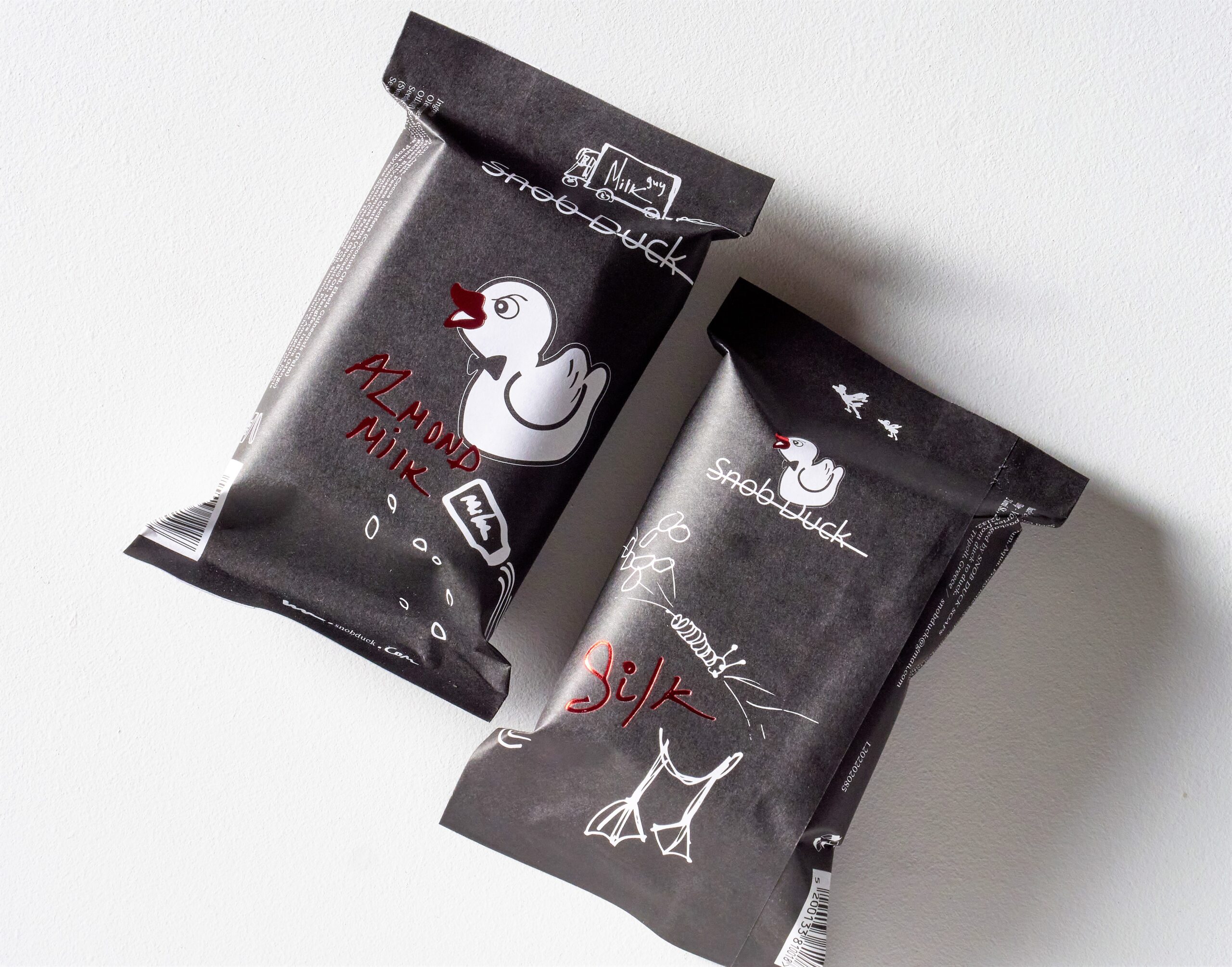
There is no such thing as a pH-balanced true soap. Anything genuinely sitting at skin pH is a syndet — a synthetic detergent bar shaped like soap. Those are legitimate products and for some people they are the right answer. They are simply not what we make, and we have crossed the pH-balanced claim out where we found it being made about soap like ours.
There is no such thing as a pH-balanced true soap. Anything at skin pH is a detergent wearing the shape of a bar.
Does olive oil soap clog pores?
The soap itself does not sit on your skin long enough to clog anything. It is on for under a minute and then rinsed away. Comedogenic ratings are calculated for leave-on products, and applying them to a wash-off bar is a category error that a great deal of skincare writing makes anyway.
What can happen, and does, is the opposite mechanism: soap strips oil, oily skin responds to being stripped by producing more, and a fortnight later somebody concludes the soap caused the breakout. It did, in a sense. Just not by blocking anything.
How long before you know whether it suits you?
Two weeks. The first few washes after switching from a supermarket bar feel wrong to almost everybody, because the tight squeaky feeling is absent and that feeling is what most people have learned to read as clean. If your skin is still tight, itchy or flaking after a fortnight, it is not the soap for you, and no amount of persistence will change that.
Can you use olive oil soap on your face?
Yes, with the same caveat as everywhere else: it is mild for a soap, and facial skin is thinner and more reactive than the skin on your arms.
If you have dry or normal skin, an unscented high-olive bar is a perfectly reasonable face wash and a great deal cheaper than most things sold for the purpose. If your skin is oily and acne-prone, soap will strip it, your skin will respond by producing more oil, and you may end up worse off. If you are using a retinoid or acid treatment, adding an alkaline wash on top is a bad combination.
Who should not use our soap
- Anyone mid-flare with significant eczema or psoriasis, until a dermatologist says otherwise.
- Anyone with a known allergy to an ingredient in the scented bars. The lists are on each product page and they are short.
- Anyone who wants a squeaky, foaming, stripping wash. You will hate it, and you should buy something else.
That is an odd list for a shop to publish. It is a shorter list than the number of people it suits, and we would rather lose the sale than collect a return and a bad afternoon.
The chemistry, including the cure and the measured pH, is on the evidence page. If you are comparing this against the other traditional olive soaps — Castile, Marseille and Aleppo — that comparison is its own entry. Everything we make is on the range.
If that sounded like a yes with conditions attached, it was.
The Soaps →