


07 September 2026
100% Olive Oil vs Castile vs Marseille vs Aleppo
Four names, one family, and a great many labels using them interchangeably.
Olive oil soap, Castile, Marseille and Aleppo are four names for closely related things, and the labels using them interchangeably are not usually lying so much as repeating what everyone else wrote. Here is what each one actually means.
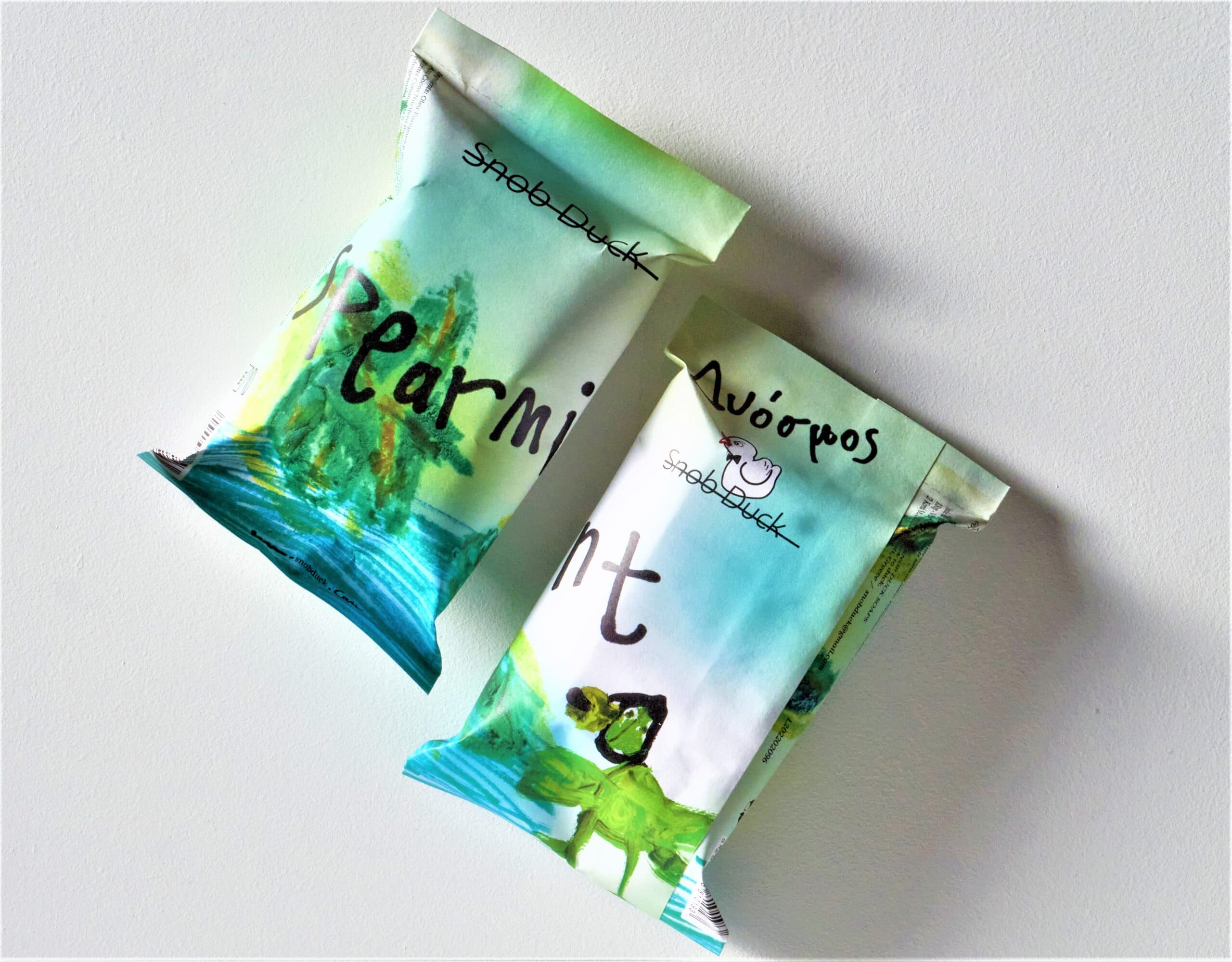
The short version, if you are in a hurry: Castile means olive-based, historically all-olive. Marseille means a French formula with a legal minimum of vegetable oil. Aleppo means olive plus laurel berry. Ours is the first kind, made in Greece, with olive oil first on the INCI and a short list of other oils behind it.
What is Castile soap?
Originally, soap made in the Castile region of Spain from olive oil and nothing else. That is the whole definition and it dates to a time when the interesting thing about it was that it was made from a vegetable oil rather than animal tallow, which is what most of Europe was washing with.
The word is now unregulated and means very little. Most products sold as Castile today are a blend — coconut, palm, olive, sometimes hemp or jojoba — and many of the best-known ones are liquid, which the original never was. That is not a scandal; a coconut blend lathers better and most people prefer it. It is just not the historical product.
If you want the original meaning, look for a bar that lists saponified olive oil first and ideally lists nothing else after it.
Is our soap Castile soap?
By the historical definition, no — that meant olive oil and nothing after it, and ours is a blend with olive oil as the majority. By the way the word is used on a shelf today, which is olive-based, near enough. We do not call it Castile either way, because the word now points at a large American brand in a blue bottle and using it would be borrowing someone else's recognition. It is olive oil soap made in Greece. That is a longer phrase and it is the accurate one.
Olive oil soap vs Castile — is there a difference?
In practice, no. Castile is a place name that became a category name, and the category is olive oil soap. The difference worth caring about is not between the two words but between a bar with olive oil at the top of its INCI and a bar with a coconut blend and a heritage story. Ours says which olive oil, and why it is that one, which is a duller answer than the word Castile implies.
What is Marseille soap?
A French formula with an actual specification behind it, which makes it the most defined of the four. Traditional savon de Marseille is at least 72% vegetable oil — the figure is usually stamped into the cube — made by a multi-day boiled process, and contains no perfume, no colourant and no animal fat.
The oil is not necessarily olive. Modern Marseille is frequently made with palm or copra, and the green cubes and the beige cubes differ precisely in that. The 72% refers to total vegetable oil, not to olive content, and this is where most confusion about Marseille lives.
Worth knowing: "Marseille" is not a protected designation. Cubes stamped with it are made all over the world.
What is Aleppo soap?
The oldest of the four and the only one with a genuinely distinct ingredient. Aleppo soap is olive oil plus laurel berry oil, boiled, cut, and then cured for six months to a year — long enough that the outside oxidises to a dull khaki while the inside stays green.
The laurel is what you are paying for and what you are smelling. Higher laurel percentages, from around 20% up, are more cleansing, more expensive, and have a distinct medicinal smell that people either like immediately or never come round to.
The Syrian war disrupted production heavily. A lot of what is sold as Aleppo soap is now made in Turkey or elsewhere by displaced makers, which is a legitimate continuation of the craft and worth knowing about when you see the price differences.
Castile means unregulated. Marseille means 72% of something. Aleppo means laurel. Only one of those is a recipe.
Which of them lasts longest?
Aleppo, usually, because it is cured longest — six months to a year against our six to eight weeks. Cure time is water leaving the bar, a drier bar is a harder bar, and a harder bar dissolves more slowly. After that, a true all-olive Castile or Greek bar. Marseille cubes are hard but often made with faster-dissolving oils.
All of which is dwarfed by drainage. Any of the four will outlast any other by weeks if one is kept dry and the other is left in standing water. Storage matters more than provenance, which is not what either of us wants to hear.
What about Nablus soap?
A fifth name worth knowing: Palestinian, from Nablus, olive oil and an alkali traditionally derived from burnt plant ash, no laurel. It sits closer to the Greek and Castile end of the family than to Aleppo, and it is very plain — usually an unmarked ivory cube. Increasingly hard to find, for reasons that have nothing to do with soap.
Which one should you buy?
- For sensitive or dry skin: a true all-olive bar — Castile in the historical sense, or a Greek olive oil soap. Mildest of the four, smallest lather, longest life. What is actually in ours, oil by oil, is here, including the claims we do not make about it.
- For household use and laundry: Marseille, or flakes of any of them. The 72% cubes are genuinely good at floors and hand-washing and are cheap by weight.
- For oily skin, or if you like the smell: Aleppo with a decent laurel percentage. More cleansing than the others.
- For lather: honestly, none of them. If you want big foam you want a coconut-heavy bar, and all four of these will disappoint you.
What they all have in common
All four are true soaps — fat plus alkali — so all four are alkaline, all four keep their glycerin if made in small batches, and all four go soft and vanish if you leave them in standing water. None of them are pH balanced, whatever the label says, and the pH of ours is on the evidence page, measured.
They are also all regional accidents: a map of whichever fat happened to be cheap in a particular port. Ours is the Arcadian version of that accident, and everything that comes out of the room is listed with prices on the range.
Ours is the first kind. Everything we make is on one page, if you want to compare.
The Range →