

Snob Duck

07 September 2026

Why Koroneiki And Not Something Else

Not because it is premium. Because it is what grows here.

We make our soap with Koroneiki olive oil. Not because it is premium. Because it is what grows here.

Koroneiki is the dominant olive of the Peloponnese and has been for several hundred years. It is a small, hardy, high-yielding fruit that suits a dry summer and a thin soil, which describes Arcadia accurately. If we had started this business in Tuscany we would be making soap from Frantoio and writing a very similar entry about that.

Anyone telling you their olive variety is objectively the best olive for soap is telling you which one they had access to. Ours is Koroneiki, and here is what that actually changes about the bar — which is less than the marketing would like, and more than nothing.

What is the best olive oil for soap making?

For soap specifically, the honest answer is: a decent oil, fresh enough, with a known origin. Beyond that the variety matters less than three other things.

  • How fresh it is. Old oil is oxidised oil, and oxidised oil makes soap that develops orange spots — rancidity, visible. This is the single most common fault in home-made olive soap and it has nothing to do with the cultivar.
  • Whether it is filtered. Unfiltered oil carries particulate and chlorophyll. It makes a greener, slightly more variable bar. We use unfiltered and accept the variation.
  • Its fatty acid profile. This is where the variety genuinely does something, and it is the only technical claim in this entry.

What Koroneiki actually changes

Olive oil is mostly oleic acid — a long, monounsaturated fatty acid that produces a soap with a low, creamy lather and a very slow dissolve. Koroneiki runs high in oleic acid even by olive standards, typically in the mid-seventies as a percentage.

In practical terms that means a harder final bar and a longer cure, and a lather that is closer to a lotion than to a foam. People coming from a coconut-heavy soap often think ours is not working for the first few uses, because they are waiting for bubbles that are never going to arrive.

It also means the bar keeps its shape for a long time if you let it dry between uses, and turns to paste in about ten days if you leave it sitting in water. High-oleic soap is not forgiving about drainage.

Is it the same oil you cook with?

Yes, and this is the claim we are most often asked to prove, so: it comes from the same harvest, from groves in Arcadia, pressed at a mill about forty minutes from the workshop. There is no separate industrial grade bought in a drum for the soap.

We should be clear about why that is less impressive than it sounds. It is not that cooking-grade oil makes better soap — saponification is entirely indifferent to whether an oil tastes good. It is that buying two grades of oil, from two suppliers, and keeping them separate in one small room is more complicated than buying one. The honest reason for using good oil is that it was simpler.

The romantic version of this appears on a lot of websites. The accurate version is a logistics decision that happens to be true.

The honest reason we make soap out of good olive oil is that buying two kinds would have been more complicated.

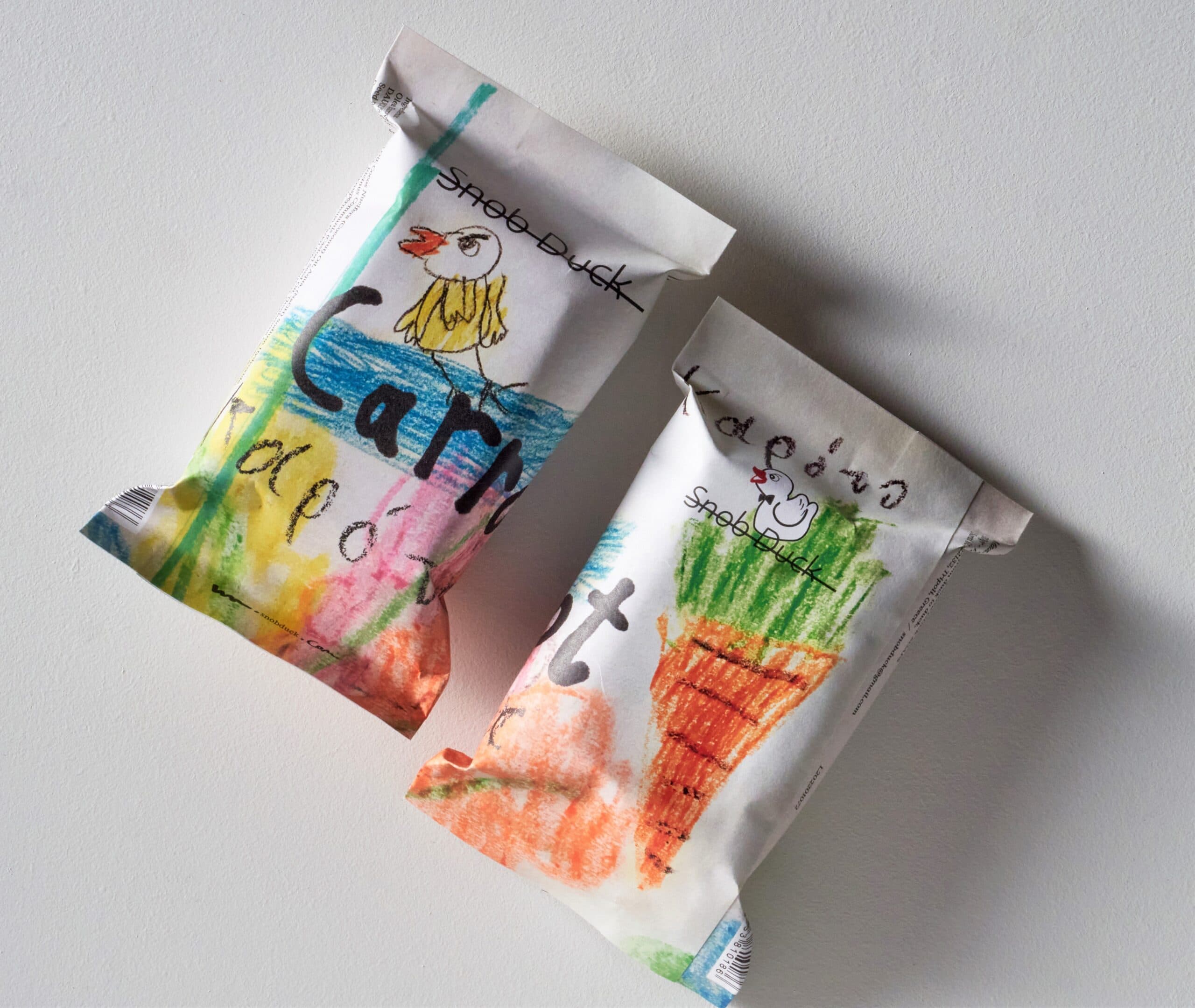
Carrot
Carrot

Good for you. Unfortunately.

10€

Does olive oil soap go rancid?

It can. The orange or brown speckles that appear on old handmade soap are oxidised fat, and soap makers call them dreaded orange spots, which tells you how welcome they are.

They come from oil that was already old when it went in, or from a bar stored somewhere warm and humid. A properly cured bar made from fresh oil, kept dry and out of direct sun, will be fine for two years and usually longer — it gets harder and milder the whole time. The spots do not make a bar dangerous. They make it smell faintly of crayons, and they are the reason we buy oil from the current harvest rather than whatever is cheapest.

Why we name the variety when most people do not

Because it is checkable, and most of what a soap company can say about itself is not. Mild, gentle, nourishing and artisanal are all unfalsifiable. Koroneiki, pressed in Arcadia, is a claim that could be proved wrong, which is the only kind worth making.

Does the olive variety matter to the person washing?

Slightly, and less than the cure does.

A well-cured bar of soap from mediocre oil beats a badly cured bar from excellent oil every time. Cure time is where a soap becomes hard, mild and long-lasting, and it is the one part of the process that cannot be shortened or bought. Ours sit on racks for six to eight weeks doing nothing, which is the least photogenic and most important stage of the whole business.

So if you are choosing between olive oil soaps, we would look at the cure before the cultivar — and at the four things worth checking on the label before either.

Same oil, six different bars

Everything we make starts as the same batter. What separates the six soaps is what gets mixed into it — fig, carrot, spearmint, lavender, almond milk, cinnamon and pink clay — and none of those change the fundamental character of the bar. They change the smell and the colour and, in the case of the clay, the texture.

The room where that happens has a drain in the floor, for reasons that entry explains. The list of what comes out of it, with prices, is the range.

Same oil, six different bars, depending on what got mixed into it.

The Soaps