

Snob Duck

07 September 2026

The Drain In The Floor

Not a workshop tour. There is a drain because we spill things.

There is a drain in the middle of the workshop floor. It is there because things get spilled, and because the alternative to a drain is somebody on their knees with a towel at nine in the evening.

People who ask to see the workshop are usually expecting something else. There is a version of this room that exists in photographs on other people's websites: white tiles, linen apron, a woman's hands arranging three bars on a slate board, a sprig of something. That room is a set. Nobody makes forty kilos of soap in it.

The real one is a converted space in Tripoli with a drain in the floor, a stainless table that has been resurfaced twice, and a smell that is not the smell of soap. Raw soap batter does not smell like the finished bar. For the first day it smells faintly of frying, because it is warm olive oil, which is what frying is.

The aprons are stained. Not artfully. Lye discolours cotton in a way that looks like bleach damage because it broadly is bleach damage, and after a year an apron has a pattern on it that records every time somebody was slightly careless. We do not replace them for photographs.

Most of the room is racks. This is the part that surprises people, and it is the part that explains the price of everything we sell.

A bar of soap is made in an afternoon and then does nothing for six to eight weeks. It sits on a wooden rack in the dark and slowly loses water. It gets harder, milder, and longer-lasting, and there is no way to hurry it that does not produce a worse bar. So the majority of the floor space in a soap workshop is occupied by soap that is not for sale yet, made by people who were not paid for it yet, and the whole business is essentially a bet that in two months somebody will want it.

If a rack gets forgotten at the back, the soap is usually better for it. This is the only manufacturing process we know of where neglect improves the product.

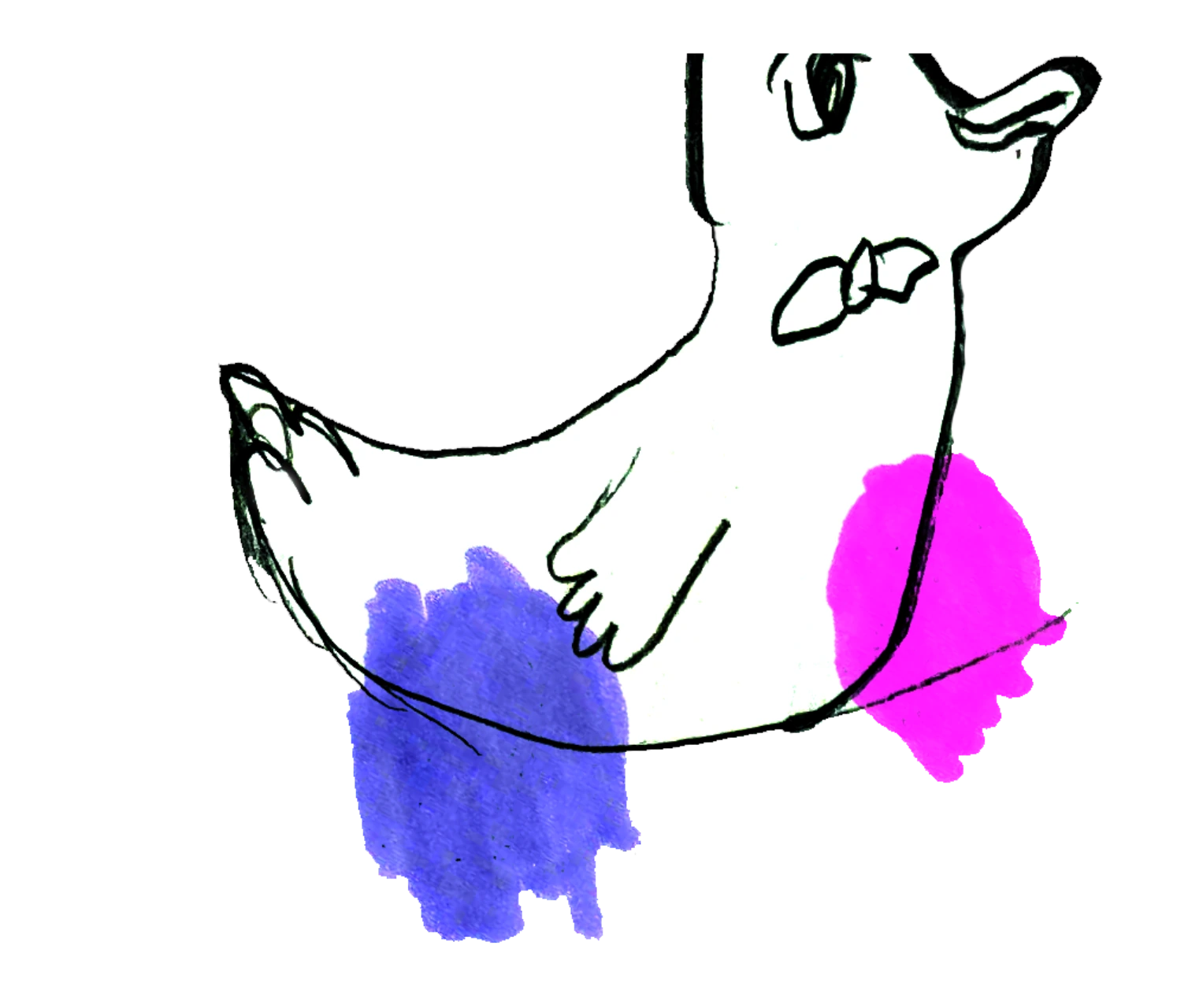
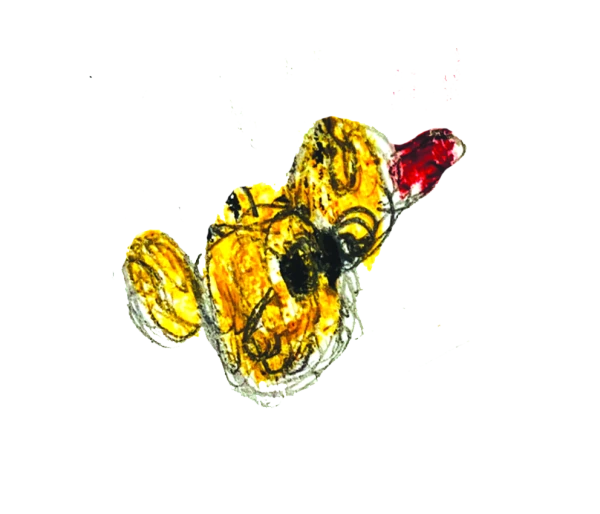
There is a child's drawing taped to one of the shelves. Γιωλένη did it, she is three, and one of her drawings ended up on the packaging. She does not know she is part of the brand. When she is older this will either be the best thing we ever did or something she brings up in an argument.

The majority of a soap workshop is soap that is not for sale yet, made by people who were not paid for it yet.

There is no viewing window. There is no tour. Two people work in here and one of them is usually covered in olive oil, and the honest reason we do not run tours is that the room is not interesting for more than four minutes. It is a table, a drain, some racks, and a lot of waiting.

What is interesting is that this is all there is. There is no second facility. There is no partner factory in another country that makes the volume while this room makes the photographs. When we say the soap is made here, we mean it is made in the room with the drain in it, by the two people whose names are on the terms page.

That is not a moral position. It is a description of a small business that has not got round to being a larger one.

There are photographs of the rest of it, and the specific chemistry of what happens on that table — saponification, pH, why the lye is gone by the time it reaches you — is set out on the evidence page, which is where we put the boring parts so they do not have to be in the sales copy.

There are photographs of the rest of it, if you want them.

The Workshop