

Snob Duck

07 September 2026

Greek Olive Oil Soap: What It Is, Why Greece, And What To Look For

Four things on a label separate the real thing from the sticker.

Most of what is sold as Greek olive oil soap is neither mostly olive oil nor made in Greece. That sounds like the opening of a marketing document written by someone who makes Greek olive oil soap, which it is, so here are the four things on a label that settle it without anyone having to trust us.

We make ours forty minutes from the press, in Tripoli, with oil from the same harvest that goes on our salads. That is the entire claim and it is checkable, which is more than can be said for most of this category.

What is Greek olive oil soap?

Properly, it is soap where olive oil is the main fat — often the only fat — saponified with an alkali and cured until the water leaves. In Greece it has been made domestically for centuries, usually green, usually plain, usually sold by weight, and usually by someone who also sold you the oil.

Improperly, and far more commonly on the open market, it is a palm-and-coconut bar with some olive oil added and a Greek flag on the wrapper. That is not fraud. Olive oil genuinely is in it. It is simply not the thing the label is implying it is.

How can you tell if olive oil soap is really from Greece?

  • Read the ingredient order. Ingredients are listed by weight. If sodium olivate — saponified olive oil — is not first, olive oil is not the main fat, whatever the front of the packet says. If you see sodium palmate or sodium cocoate ahead of it, you are holding a palm or coconut soap with olive oil in it.
  • Look for a place, not a country."Made in Greece" is a customs statement. A town, a region, a grove is a claim someone can be held to. Ours says Tripoli, Arcadia, because that is where the room is.
  • Look for the olive variety. Greece grows Koroneiki, Kalamon, Athinolia and others, and they are not interchangeable. A producer who knows which one they used will say so. We use Koroneiki, and not because it is premium.
  • Check for a cure time. Cold process soap needs weeks of air drying. A producer who cures properly tends to mention it, because it is the expensive part and they want credit for it. Ours sit on racks for six to eight weeks.

Why does olive oil soap come from Greece and Spain?

Because that is where the olives are, and because soap was historically made wherever the surplus fat was. Northern Europe made tallow soap because it had cattle. Marseille made olive soap because ships brought oil into Marseille. Aleppo added laurel because laurel grew there. Every traditional soap in the world is a map of what was cheap locally.

The romantic version of this story is that ancient wisdom produced the perfect bar. The accurate version is that people used what was to hand, and in the eastern Mediterranean what was to hand was olive oil. That it turns out to make a mild, slow, long-lasting soap is a happy accident rather than a design triumph.

Why is Greek olive oil soap green?

Usually because of the oil itself, and sometimes because of a dye.

Unfiltered olive oil pressed from green olives carries chlorophyll, and a soap made with a lot of it comes out anywhere from pale khaki to a genuine green. The colour fades over months as the chlorophyll degrades, which is normal and is not the soap going off. A bar that stays the same emphatic green for two years has help.

Every traditional soap in the world is a map of whatever fat was cheap locally. Ours is a map of Arcadia.

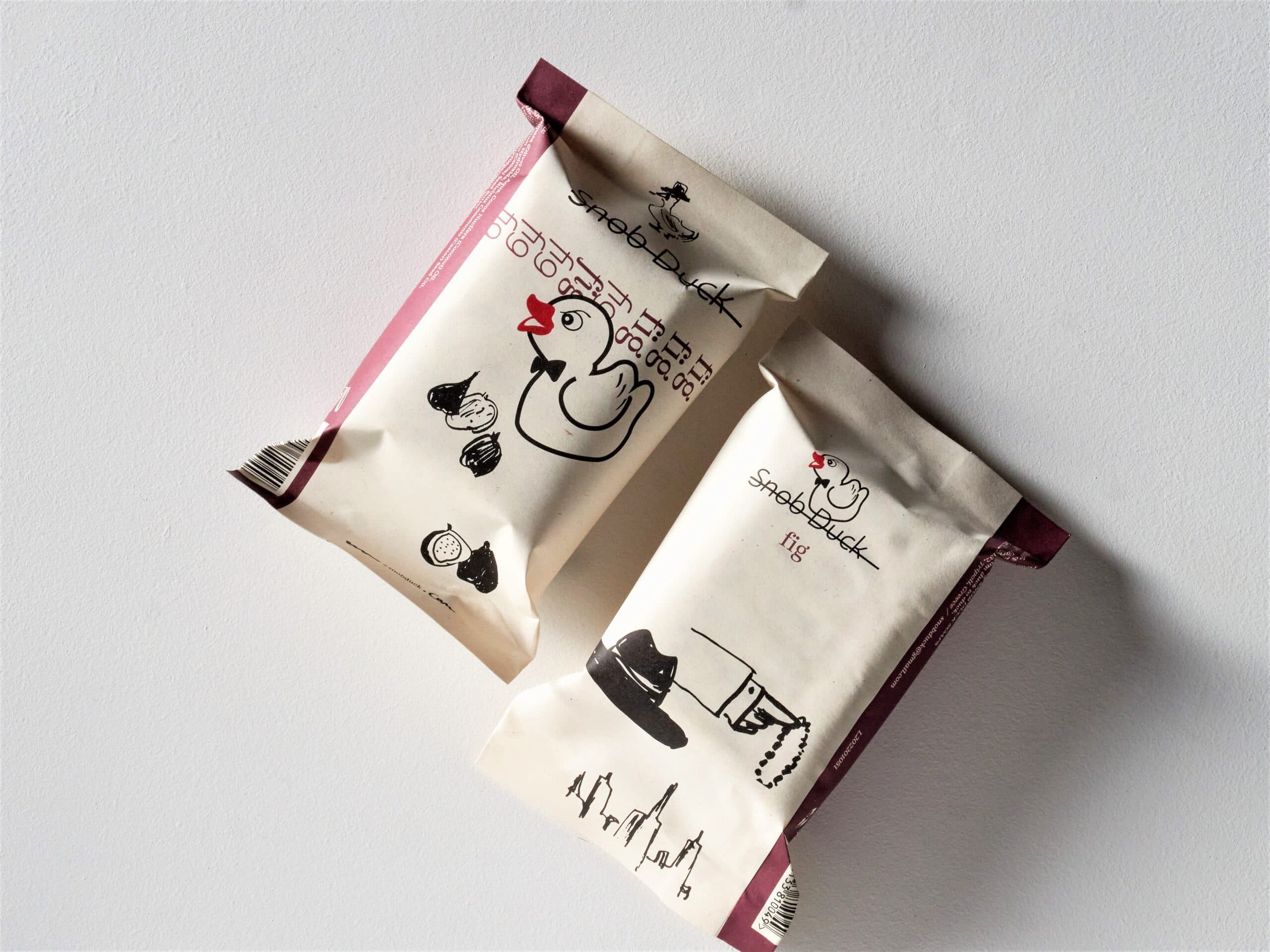
Fig
Fig

Fruity but dark.

10€

Is Greek olive oil soap the same as Castile soap?

Historically they are close to the same thing — an all-olive-oil soap — differing mainly in which country was making it. Castile came out of Spain, the Greek tradition out of the Aegean and the Peloponnese, and both were olive because olive was what there was.

The difference now is that Castile has become an unregulated marketing word attached to a great many coconut and palm blends, while Greek olive oil soap is at least a geographical claim somebody could check. We have set Castile, Marseille and Aleppo side by side if you want the full comparison.

What should it cost?

Somewhere between five and twelve euros for a hundred-gram bar from a producer who cures properly. Below about four, either the olive content is low or the cure was short, because those are the two costs anyone under pressure cuts first. Above about fifteen you are paying for a box.

Is Greek olive oil soap good for your skin?

It is mild, it is slow to strip, and it contains no fragrance unless somebody added some. It is also alkaline, because all true soap is alkaline, and skin is not — a point most pages selling this stuff skip over entirely. We have written the honest version of that answer, including who should not use it.

The three claims that are actually supportable, and the three that get repeated anyway because they sound good, are set out separately with the nonsense crossed out.

What to actually buy

If you want the tradition: a plain, unscented, high-olive bar from someone who names the region. It will be unremarkable to look at. It will last a long time if you keep it dry between uses, and it will go soft and disappear in a fortnight if you leave it in a puddle on the bath.

If you want ours, they are all the same soap with different things mixed in — fig, carrot, spearmint, lavender, almond milk, cinnamon and pink clay — and they are listed with prices and no photography on the range.

Ours is made forty minutes from the press. That is the entire claim.

The Soaps