

Snob Duck

07 September 2026

Soap Flakes vs Laundry Detergent. Including When Detergent Wins.

We sell the flakes. We are still going to tell you when the other thing is better.

Are soap flakes better than detergent? Sometimes. Detergent is better at oil, better in hard water, and better in a machine built after about 2015 that has opinions about suds. Soap flakes are better on wool and silk, better if you would rather not own a plastic bottle, and better if you want to be able to name every ingredient without looking anything up.

We make the flakes. We are not going to pretend the answer is always.

Everyone selling one of these two things has an incentive to tell you it wins at everything, so here is the comparison written the way we would say it to someone standing in the workshop holding a sack, which happens more often than you would think.

What is the actual difference between soap and detergent?

They are both surfactants — molecules with one end that likes water and one end that likes grease, which is the entire trick behind getting dirt to leave a fabric and go down a drain. The difference is what they are made from and how they behave when the water is not perfect.

Soap is fat plus an alkali. Olive oil and lye, in our case, left alone until the reaction finishes. It has been made this way for a few thousand years and the chemistry has not needed updating.

Detergent is synthesised, usually from petrochemical or plant-oil feedstock, and — this is the important part — it was engineered specifically to fix the two things soap is bad at. It does not react with the minerals in hard water, and it handles oil far better. Those were not accidents. They were the design brief.

When detergent wins

Three cases, and they are not small ones.

  • Hard water. Soap reacts with dissolved calcium and magnesium to form an insoluble curd — the grey ring in an old bath is exactly this — and every bit that becomes curd is soap that never washed anything. Detergent is indifferent to hardness. On genuinely hard water this is not a close contest.
  • Oil and grease. Workwear, kitchen cloths, anything that has met a roasting tin. Olive oil soap is unremarkable at cutting oil, which remains a funny weakness for a soap made of olive oil.
  • A modern high-efficiency machine. Suds sensors read soap as an overdose and respond with extra rinse cycles, or in some models by refusing to finish. You can usually solve it by halving the dose. Sometimes you cannot.

There is a fourth, quieter one: enzymes. Modern detergents carry protein- and starch-digesting enzymes that genuinely remove certain stains — blood, egg, grass — better than soap ever will. Soap has no enzymes. It cannot.

When soap flakes win

  • Wool, cashmere and silk. The same enzymes that make detergent good at protein stains do not distinguish carefully between the protein in a stain and the protein in a jumper. This is the case where flakes are simply the correct tool and not a preference.
  • Skin that reacts. Fewer ingredients means fewer candidates for whatever is causing it. That is arithmetic, not a medical claim, and anyone making a stronger one than that is guessing.
  • Towels and bedding, over time. No conditioning polymer means nothing is deposited on the fibre, so towels stay absorbent instead of slowly turning water-repellent.
  • Packaging. Flakes travel in paper. There is no version of liquid detergent that does not involve a bottle.

Detergent won the twentieth century on merit. It solved two real problems. We are not going to pretend it did not.

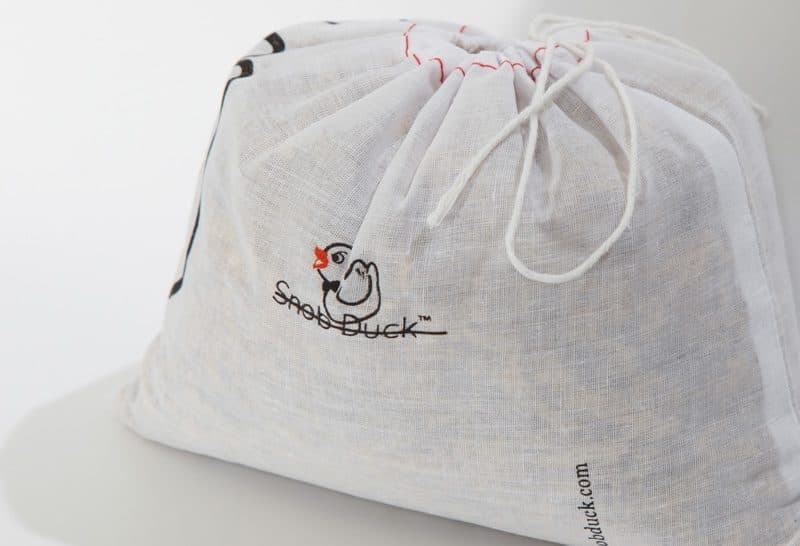
Hand Grated multi-tasking soap. Comes with a reusable cloth sack.
Soap Flakes

Laundry. Floors. The dog.

25€

Are soap flakes cheaper than detergent?

Per wash, usually not. Supermarket detergent is one of the most efficiently manufactured products in the world and it is priced like it. A sack of flakes made in small batches from food-grade olive oil is not going to beat it on cost per load, and any comparison showing otherwise has chosen a premium detergent to compare against.

Where flakes do win on cost is against the wool and delicates washes sold in small bottles at a considerable markup, which is the category they actually replace for most people.

Are soap flakes better for the environment?

Probably, with an honest asterisk. Soap is made from a renewable fat and breaks down readily. It carries no phosphates, no optical brighteners and, in a paper sack, no bottle.

The asterisk is that modern detergents also biodegrade, phosphates were removed from most European formulations years ago, and a detergent that washes a load properly at thirty degrees on the first attempt may well beat a soap that needs a hot dissolve, a second rinse and a dose of washing soda. Energy is part of the footprint too. Anyone who tells you this comparison is simple is selling one of the two.

Can you use both?

Yes, and this is what most people who stay with flakes actually end up doing. Flakes for wool, silk, delicates and anything hand-washed; detergent for the towels and the workwear and the week where nobody has time. Nobody is keeping score.

We would rather sell you one sack a year that you use for the right things than a sack a month you use grudgingly for everything and quietly conclude we oversold it.

So which should you buy?

If your water is hard, your machine is new, and most of your washing is oily: buy detergent. Genuinely.

If you own things made of wool, or you have been trying to get out of the plastic bottle habit, or you simply want to know what is in the thing you put on your skin every night for eight hours: the flakes are worth the small amount of learning they ask for. Start with the doses, the water and the machines, or with what soap flakes actually are if you want the ground floor first.

Everything we make is listed, without photography, on the range.

If you read all that and still want the flakes, good. That is the right reason to want them.

Soap Flakes