


13 October 2026
How To Actually Use A Solid Shampoo Bar.
A solid shampoo bar is not soap applied to hair.
This is the most important thing to understand about ours and most shampoo bars on the market. Soap has a pH of around 9-10. Hair has a natural pH of 4.5-5.5. Washing hair with soap repeatedly can disrupt the hair shaft — raising the cuticle, causing frizz, feeling rough, particularly in hard water where soap reacts with calcium ions.
If your first solid shampoo bar left your hair waxy, heavy or squeaky in the wrong way, that is the most likely reason. It was soap. This page explains how to tell the difference, how to use a solid shampoo bar properly, and what to expect in the first few weeks. Ours are on the Solid Shampoo page.
Why your first shampoo bar failed
There are two kinds of bar sold as shampoo. One is soap: oils and lye, the same as a body bar, sometimes with extra butters. The other is a syndet bar: a solid made from mild synthetic detergents chosen for hair.
Soap on hair is the one people give up on. In hard water, soap reacts with the calcium in the water and leaves a film, the same scum that forms around a bath. On hair it feels like wax. People blame themselves, then the bar, then every shampoo bar ever made. Usually it was just soap.
The other common reason is the transition, which has its own section below.
Our shampoo bars are syndet bars
Our shampoo bars are syndet bars. Synthetic detergent — mild surfactants chosen specifically because they clean hair effectively at a pH closer to hair's natural range. The primary cleanser is Sodium Cocoyl Isethionate — a mild surfactant derived from coconut oil, used in gentle skin and baby products.
No olive oil. No lye. Not cold process. A different product entirely from our soaps, made for a different function.
If you want the chemistry of why soap and shampoo are different things, it is in Is There Lye In Soap?
What is in them
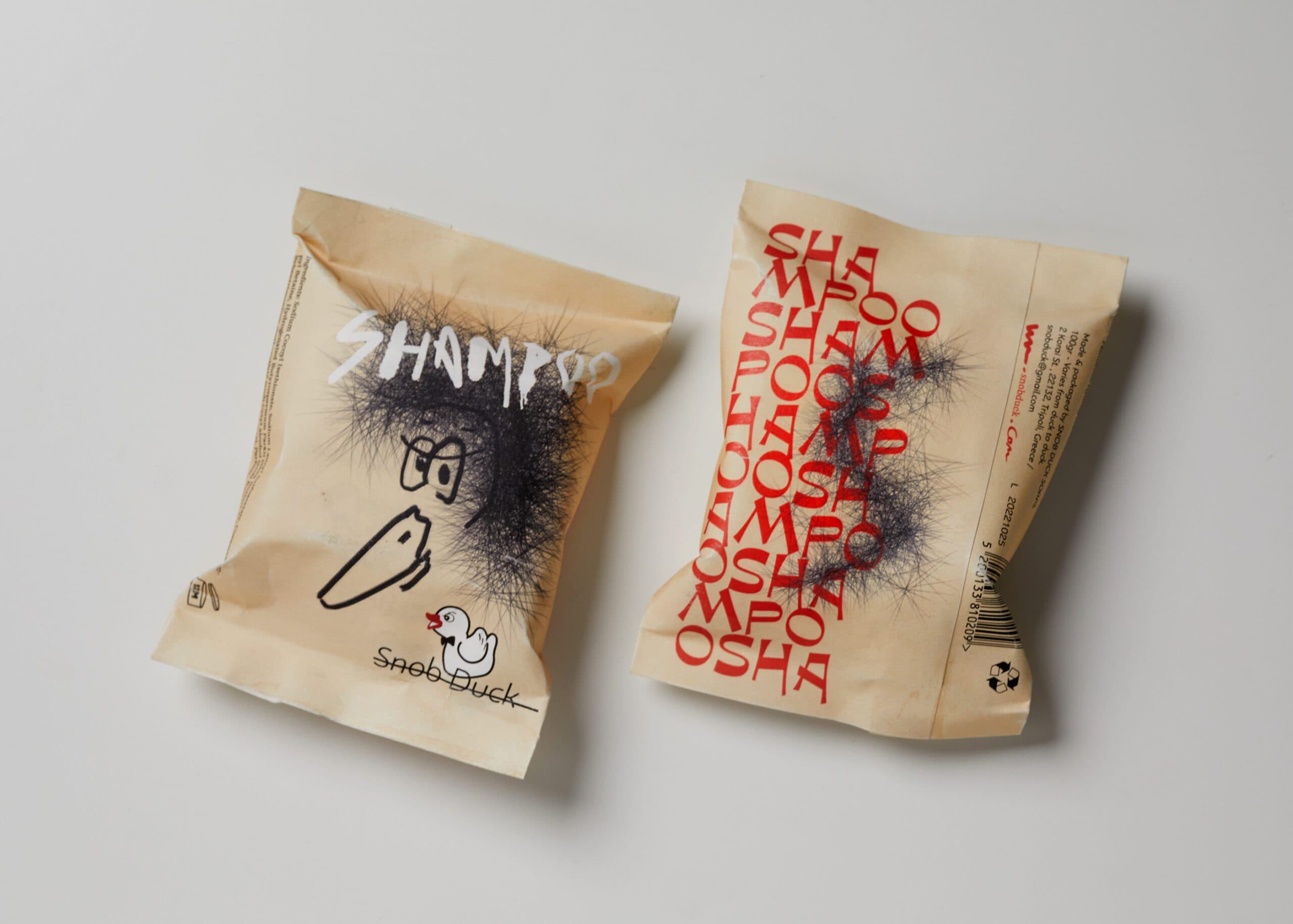
Sodium Cocoyl Isethionate, Sodium Lauryl Sulfoacetate, Cocamidopropyl Betaine, Hydrogenated Butyrospermum Parkii (Shea Butter), Stearic Acid, Behentrimonium Methosulfate (and) Cetyl Alcohol (and) Butylene Glycol, D-Panthenol, Hydrolyzed Oats (and) Water (Aqua), Parfum. The Dark Side is the same, plus Charcoal Powder.
Each bar is 100g.
How to use a shampoo bar
Wet hair. Wet bar. Rub between palms to lather or directly on scalp. Work through. Rinse. Keep dry between uses.
That is the short version. The long version, for anyone whose first bar went badly:
- Wet your hair properly. Not damp. Wet, all the way to the scalp.
- Wet the bar. A dry bar on wet hair drags.
- Lather it. Either rub the bar between your palms, or glide it over your scalp three or four times. That is plenty. Do not scrub the lengths of your hair with it like you are sanding a door.
- Work it through with your fingertips, scalp first. The lather will reach the ends on its own.
- Rinse thoroughly. Then rinse again. Residue is almost always a rinsing problem.
- Wash twice if you need to. If your hair is very oily, or full of styling product, the second lather is always the better one.
- Put the bar somewhere it can dry.
Keep it dry between uses
A shampoo bar that sits in water goes soft and wastes itself. Use a dish that drains, or a rack, and keep the bar out of the direct spray of the shower. A bar that dries completely between washes stays firm. A bar left in a puddle does not.
The transition
Switching from silicone-containing shampoo? One to three weeks while residual silicone washes out. Hair may feel different. This passes for most people.
Silicones coat the hair and make it feel slippery. When you stop using them, the coating takes a few washes to go, and for a while your hair feels like your hair. That is not the bar failing. That is the bar showing you what was there.
Are solid shampoo bars good for your hair?
A well-formulated syndet bar cleans hair comparably to a well-formulated liquid shampoo. The difference is format not function.
Some people do not get on with shampoo bars. Hair type, water hardness, individual scalp chemistry — these matter. Some people try them and go back to liquid. This is fine.
We are not going to tell you bars are universally superior. We are going to tell you they work for most people and contain no plastic.
What are the disadvantages of shampoo bars?
There are some, and pretending otherwise would be exactly the kind of marketing we are trying not to do.
- They need a dry place. Leave a bar wet and it goes soft.
- There is a learning curve. The first wash feels different from pouring from a bottle.
- Soap bars and hard water do not mix. This is the one that gives the whole category a bad name. A syndet bar avoids it.
- The transition. Coming off silicones, the first weeks feel strange.
- They are not for everyone. Some hair simply prefers liquid.
What is the best solid shampoo bar?
The one that is actually shampoo. Read the ingredients. If the first one is a sodium-and-oil name like sodium olivate or sodium cocoate, it is soap. If it is a mild surfactant like sodium cocoyl isethionate, it is a syndet bar and will behave like shampoo. Then pick the one whose smell you can live with.
We would say ours, obviously. We would also say read the label first.
Our two
The Original — no charcoal. No drama.
The Dark Side — same base, activated charcoal added. Good for oily scalps. Makes black foam. We told you not to ask.
Travelling with a shampoo bar
Airport liquid limits are about liquids. In most places a solid bar is not counted as one, so it does not need to fit in the little plastic bag. Check your airline if you are unsure. Let the bar dry before you pack it, wrap it in something breathable, and it will not leak over your clothes, because it cannot.
The water
Paying for a plastic bottle that is 70-80% water, in plastic, shipped across a supply chain, makes a specific kind of sense that we do not share. You are welcome.
Our shampoo bars are all on one page.
Solid Shampoo →