

17 November 2026
Handmade Soap Price: Why It Costs More Than The Supermarket Bar.
Here is where the difference goes.
Our soap costs €10 a bar. Supermarket soap costs €1.50. Here is where the difference goes.
That is the handmade soap price question in one line. The rest of this page is the answer, cost by cost, with nothing rounded up to sound better. Every bar on The Range is made the same way, so the sums below apply to all of them.
How much does handmade soap cost?
We can only answer for ours. A bar from us costs €10 and weighs at least 120g, because it is cut by hand and the weight varies upward from there. We are not going to quote other makers' prices. Some are cheaper. Some are not. What matters is what the price is made of, and every part of ours is on this page.
What goes into the handmade soap price?
Six things. The oils, the additions, the time, the scale, the paperwork and the hands. In roughly that order, from the one you can smell to the one you will never see.
The oils
Koroneiki olive oil from our own grove, the primary ingredient in every bar. Plus coconut oil, avocado oil, sweet almond oil, jojoba oil, sesame oil, apricot kernel oil, mango seed butter, shea butter, cocoa seed butter, castor oil, and palm oil in the Almond Milk and the Cinnamon, depending on the soap. Some of these are not cheap. The olive oil is the one that matters most, because it is most of the bar.
The olive oil is from our trees in Messinia, pressed where it is grown. We could buy cheaper oil. Then we would be a different company making a different soap. Why those trees, and why it still counts as Greek olive oil soap when half the oils are bought in, is a story of its own.
The additions
Real almond milk and liquid silk in the Almond Milk soap. Fresh carrot juice and carrot seed oil in the Carrot. Real fig puree in the Fig. Beeswax and lavender herb and two lavender ingredients in the Lavender. Cucumber extract and arnica in the Spearmint. Pink clay in the Cinnamon.
These are not marketing ingredients listed in trace amounts at the end of the INCI. They are significant additions to the formula.
Real ingredients cost more than the smell of them. Almond milk, fig puree and fresh carrot juice have to be bought, prepared and worked into the batch at the right moment. A fragrance that only smells of fig would be cheaper and faster. It would also be a different soap.
The time
Six to eight weeks of curing per batch. Workshop space occupied. Attention paid.
Six to eight weeks on a rack is six to eight weeks of a rack being full. A batch made today cannot be sold until it has cured, so every bar on the shelf is two months of space, stock and waiting, paid for before anyone has bought it. Our soaps are mostly olive oil, which makes a slow-hardening bar. Why soap cures for six to eight weeks is chemistry, not caution. The cure cannot be rushed, so the cost cannot be cut.
The scale
Small batches. Fixed costs spread across fewer units.
Some costs are the same whether a batch makes fifty bars or fifty thousand: the safety assessment, the equipment, the workshop. Divide them by a small number and the share each bar carries is large. That is all "small batch" means here. It is not a boast. It is arithmetic.
Why is handmade soap so expensive?
Because every cost a factory divides by a million, we divide by a batch. Because the oil is better than it needs to be for a bar to clean your hands. Because the cure takes two months and cannot be shortened. And because the hands that make the bar are also the hands that wrap it.
The paperwork nobody sees
Every soap sold in the EU is a cosmetic product under Regulation (EC) No 1223/2009. Before a single bar can be sold, the law requires a safety assessment signed by a qualified assessor, a named responsible person who answers for the product, and a notification to the EU's cosmetic products portal. None of it is optional, and none of it gets cheaper because the batch is small.
Then the testing. Every batch goes to a certified laboratory for microbiological safety testing before it ships. A factory spreads the cost of a test across an enormous production run. We spread it across one batch.
The packaging and shipping
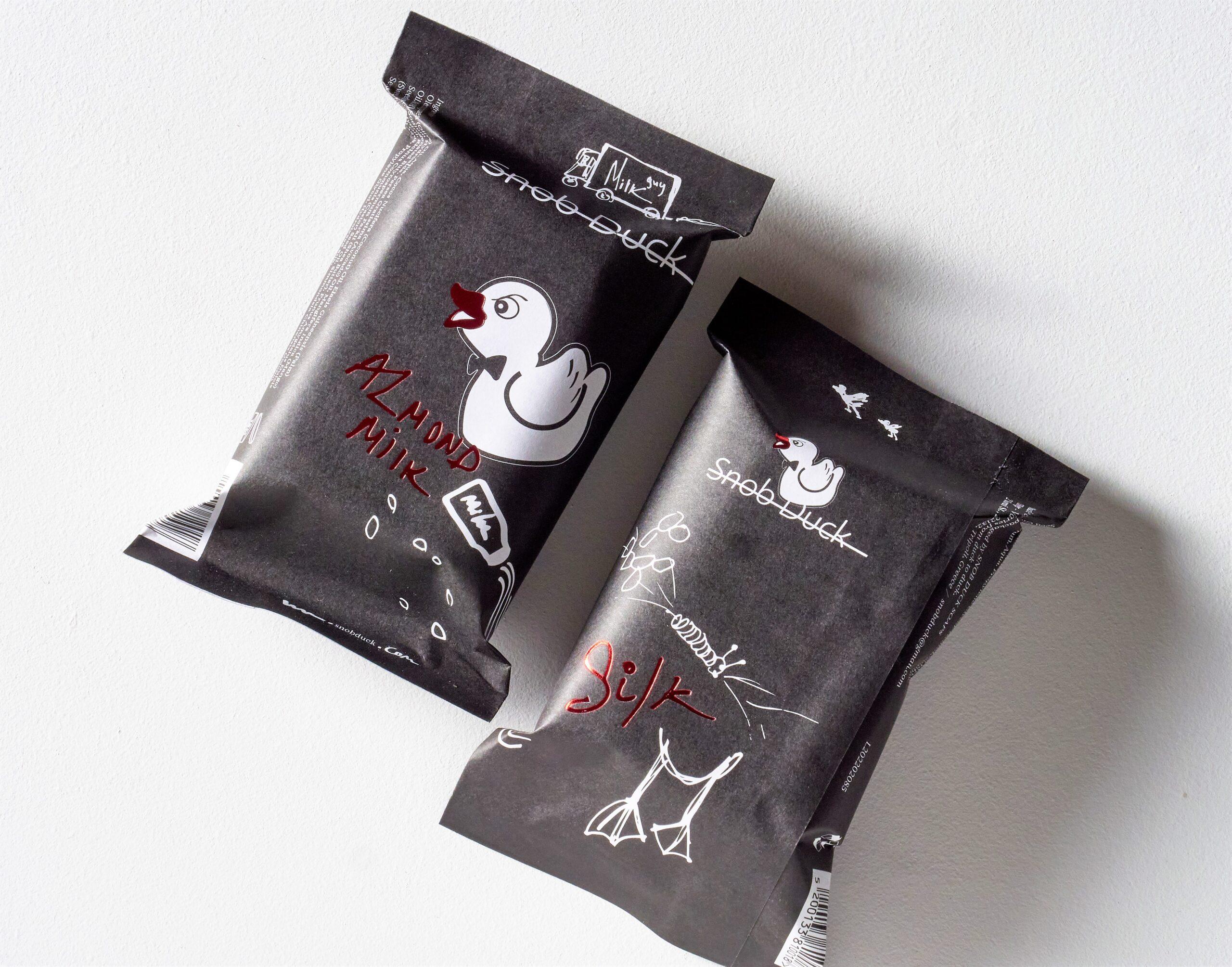
Wrapped by hand in recycled paper. Packed by hand into whatever box we found. The box is free. The labour is not.
What the €1.50 bar covers
Industrial scale. Often synthetic detergents. Automated production. No curing time. Glycerin removed and sold separately. Testing costs divided across millions of units.
Different product. Different price. Both are honest.
What the price does not pay for
A glass jar, a ribbon, a gift box, a pump. Our bars come wrapped in recycled paper and packed in whatever box we found. When a soap costs more than ours and comes in more packaging, some of the difference is the packaging.
How to compare one handmade bar with another
Compare by weight, not by bar. A €10 bar of 120g and an €8 bar of 80g are not the same price, and the second one is the expensive one. Then read the first ingredient on the INCI list, because that is what you are mostly paying for. Then ask whether the soap was cured, and for how long. A bar sold a week after it was made has not cured. Then ask whether it was tested. A maker who has done all of that will tell you without being asked twice.
What you can check before you pay
The full ingredient list for every bar, in INCI names. The pH, which sits at 9 to 10, where real soap sits. The laboratory certificate. All three are on the Evidence page. Read them first. That is why they are there.
Is handmade soap worth the price?
That depends on what you want from a bar of soap. If you want something that cleans your hands, the €1.50 bar does that, and we are not going to pretend otherwise. If you want to know what is in it, who made it, where the oil came from, and that a laboratory checked it before it reached you, that costs more to produce. The price says so. We would rather explain it than hide it.
Everything we make is on one page, oils listed, nothing implied.
The Range →