


17 November 2026
From Olive Grove To Soap Bar: How Our Olive Oil Soap From Greece Is Made.
The trees are in the Peloponnese. They were there before us.
The trees are in the Peloponnese. They were there before us.
In Messinia, to be exact, in the south-west of the Peloponnese. The workshopis in Tripoli. This entry is the distance between the two, and what happens on the way, because "olive oil soap from Greece" can mean a great deal or almost nothing, depending on who prints it.
What does olive oil soap from Greece actually mean?
On a label, it can mean anything from "we grew the olives" to "we bought a pallet of oil and the factory happens to be here". Neither is illegal. Only one of them is a story about olives. Ours is the first kind for the olive oil, and the second kind for everything else, and we will say which is which as we go.
What is the most popular olive in Greece?
Koroneiki, and our trees are Koroneiki. The International Olive Council puts it at 50 to 60% of the country's olive-growing area, mostly in the Peloponnese and Crete. It is a small olive that gives a lot of oil for its size. It is not rare. It is just ours. Why Koroneiki and not something else is a shorter answer than you would expect.
We did not choose Messinia for its reputation. The trees were already there. It happens to be one of the main olive-growing regions in Greece.
Harvest
Once a year. Koroneiki harvest typically October through December. Nets under the trees. Hand tools. Slow. The olives are combed and knocked from the branches onto the nets, then gathered up by hand. Less damage to the fruit than mechanical harvesting, which matters because damaged fruit produces lower quality oil.
Once a year also means one supply of oil for a year of soap. A good year is a good year for the soap too. A small harvest means less of it, and nobody can hurry a tree.
How is Greek olive oil made?
The same way as most olive oil anywhere, with one thing that matters more than the rest: speed. The olives go to the mill, the leaves and twigs are removed and the fruit is washed. It is crushed, stones and all, into a paste. The paste is mixed slowly so the oil droplets join together. Then the oil is separated from the water and solids: by centrifuge in most modern mills, by pressing in traditional ones.
Pressing
As quickly as possible after harvest. Olive oil oxidises. Hours between harvest and press matters. No heat added to increase the yield. Less oil per kilogram. Better oil.
Speed matters because an olive starts to break down as soon as it is picked or bruised. The fruit ferments and oxidises, and the oil it gives gets worse by the hour. That is why the harvest and the pressing are planned together, and why nets and hand tools are worth the time they take.
How was olive oil made in ancient Greece?
Slowly, and by hand. The olives were crushed in stone mills, the paste was pressed with beams and weights, and the oil was left to settle until it separated from the water. The machines have changed. The order has not: pick, crush, press, separate, and do it quickly.
The oil into the soap
The Koroneiki oil from our grove goes into every bar we make as the primary ingredient. The other oils and butters, coconut, palm, avocado, sweet almond, jojoba, sesame, apricot kernel, castor, shea, cocoa and mango, depending on the soap, we buy. We don't have a coconut grove. We are being specific about what is ours and what is not because the alternative would be misleading.
What makes olive oil good for soap is its fatty acids. Koroneiki oil is high in oleic acid, around 75 to 80%, which makes a mild, conditioning bar that is slow to harden. That is why our soap cures for six to eight weeks.
The oil goes into the soap as it is, weighed against the other oils and the lye. It is the first ingredient on every one of our labels, as Olea Europaea (Olive) Oil. Every bar on The Range starts with it.
The workshop
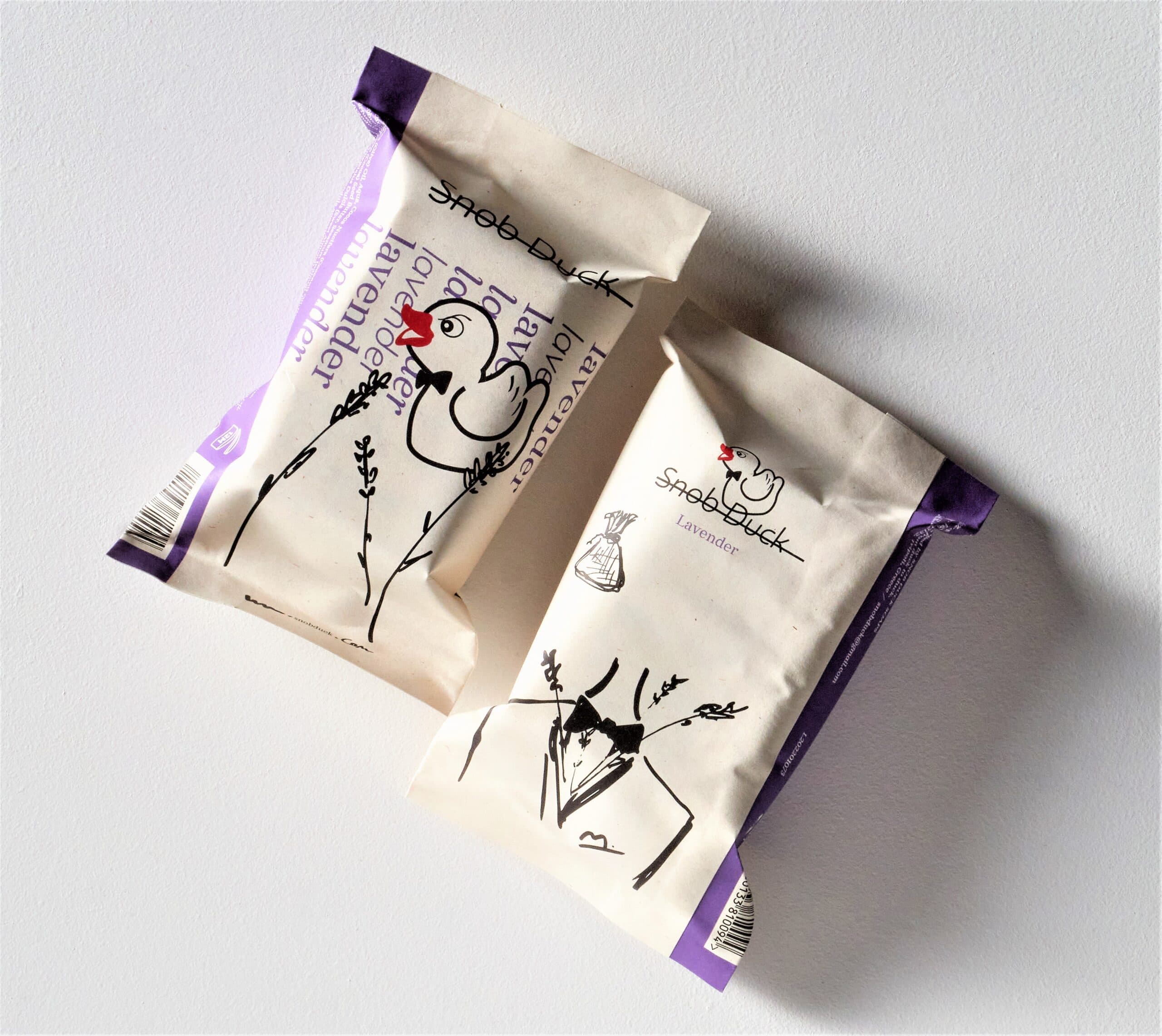
The oils meet sodium hydroxide. The reaction takes two months including curing. The bar is tested. Stamped. Wrapped in recycled paper. Packed into whatever box was available. Each of those steps has its own entry, week by week.
Is olive oil from Greece good quality?
Some of it is excellent and some of it is not. A country is not a guarantee. What tells you about an oil is how it was grown, how it was picked, and how quickly it was pressed. We can only speak for one grove. We were there.
The same goes for soap. A Greek address on the label tells you where the bar was made. It does not tell you where the oil came from, or how much of it is in there.
How to check a Greek olive oil soap before you buy it
Read the first ingredient. It should be Olea Europaea (Olive) Oil, or Sodium Olivate if the maker lists the oil after it became soap. If it is not first, the soap is not mostly olive oil, whatever the front says. Then ask where the oil came from. A maker with trees will tell you where they are. A maker without them will tell you about the Mediterranean.
The distance
Our grove to your bathroom: one olive grove, one press, one workshop, one laboratory, two hands wrapping the bar, and whatever box we found.
For the olive oil, no supply chain audit required. We were there.
There are photographs of the rest of it, if you want them.
The Workshop →