


17 November 2026
Marseille Soap Flakes vs Olive Oil Soap Flakes.
Both are real soap. The difference is how far the name has travelled.
Both are real soap. The difference is in the oil, the origin, and how far the name has travelled from what it originally meant.
If you have searched for Marseille soap flakes, you have found plenty of products with Marseille on them and very few that come from Marseille. Here is why, what the name does and does not promise, and what is in our soap flakes instead.
What is Marseille soap?
A traditional French soap with a long history and, today, no legal protection. In 1688 a royal edict restricted the name to soap made with olive oil. That rule was later relaxed to allow other vegetable oils. The 72% oil figure on genuine bars comes from the traditional makers' own standard, not from the law. The French intellectual property office, INPI, has refused to make Savon de Marseille a protected geographical indication, so nothing legally requires it to be made in Marseille. The genuine article is good soap.
The complication: most products sold as Marseille soap flakes are not made in Marseille. Many use palm oil or coconut oil as the primary oil because both are cheaper and harden faster than olive oil. The name has outrun the regulation.
What is so special about Marseille soap?
History, mostly, and a method. Traditional Marseille soap is cooked in large cauldrons over several days, a hot process quite unlike how we make ours. Ours is cold process: no cooking, then six to eight weeks of curing. The traditional green bars were olive oil. Many of today's white bars are made mainly from palm or coconut oil.
What is Marseille soap made of?
Traditionally: olive oil, sodium hydroxide, sea salt and water, cooked together. The salt is used during cooking to separate the soap from the spent lye and glycerin. Under the makers' own standard, a genuine bar contains at least 72% oil.
Is Castile soap the same as Marseille soap?
No, though they are cousins. Castile originally meant olive oil soap from the Castile region of Spain. Marseille meant olive oil soap from Marseille. Both names are now used loosely for soaps made from other oils. We wrote a longer comparison of olive oil, Castile, Marseille and Aleppo soap, if you want all four in one place.
What our soap flakes are
Made from our existing cold process soaps. Koroneiki olive oil, from our own grove in the Peloponnese, is the primary ingredient in each bar we grate. The secondary oils vary by soap: coconut oil, shea butter, cocoa seed butter, castor oil, sweet almond oil, jojoba oil, depending on the specific soap. Two of them, the Almond Milk and the Cinnamon, also contain some palm oil. It is on the label, below the olive oil.
Each flake is grated from one soap and sold by variety: an Almond Milk flake, a Spearmint flake. We do not blend them. If you want to know exactly what is in the flakes in front of you, read the INCI of the bar they came from. Every bar is on The Range.
They are grated by hand. The person grating them would like you to know it is a workout.
We do not call them Marseille. We do not call them anything they are not. Where the oil comes from is its own story: Greek olive oil soap, from the trees to the bar.
Marseille soap flakes vs olive oil soap flakes: the practical difference
High-oleic olive oil produces a soap that is milder and more conditioning than coconut or palm dominant soap. It also requires longer curing and produces less lather. Less lather is not less clean. Foam is mostly theatre. If you want dramatic foam, these are not for you. If you want to wash things with something you can read the label of, they are.
How to tell what you are buying
Read the ingredients, not the name. If the first ingredient is olive oil, or Sodium Olivate, the soap is mostly olive oil. If it is palm, or Sodium Palmate, the soap is mostly palm. A packet that says Marseille on the front and palm first on the back is telling you two different things. Believe the back.
Then check where it was made. If the packet says made in France, near Marseille, fine. If it says Marseille-style, Marseille recipe or Marseille type, the word is doing a job the soap is not.
What people use them for
The same things as any pure soap flake: laundry, washing delicates by hand, floors. The name changes nothing about the job. The oil changes how it feels.
Can you use soap flakes in a washing machine?
Yes. One tablespoon a load, dissolved in warm water before it goes in, and washing soda if your water is hard. We wrote the full method in soap flakes for laundry, including the stains flakes will not shift.
Are soap flakes better than detergent?
Not always. Detergent wins on heavy grease and synthetic workwear. Flakes win if you object to optical brighteners and petroleum-derived surfactants in your sheets. Soap flakes vs detergent has the whole comparison, including the part where detergent wins.
Can you still buy soap flakes?
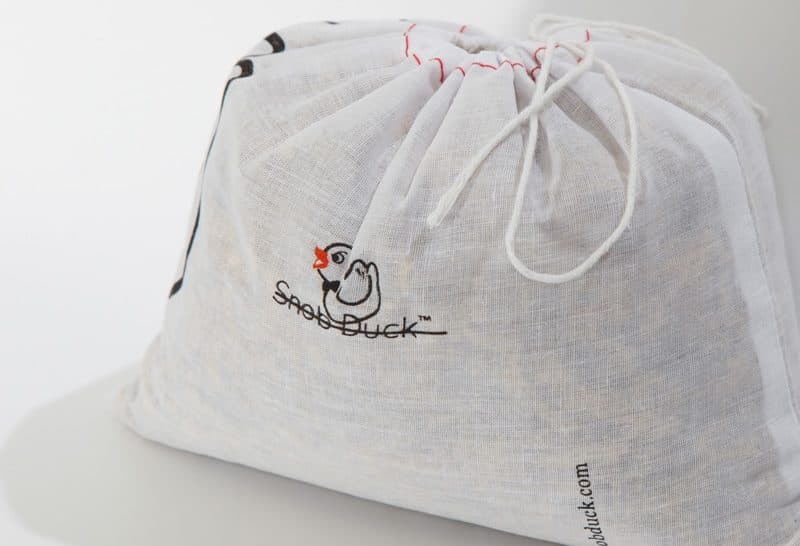
Yes. Fewer shops carry them than used to, but pure soap flakes are still made, ours included. Ours come a kilo at a time, in a reusable cloth sack. Look for a short ingredient list with a real oil near the top.
Can I make my own soap flakes?
Yes. Grate a bar of real soap finely and let the flakes dry. That is all ours are. What you are paying us for is the bar, and the forearms.
Ours are grated from our own soaps, one variety at a time.
Soap Flakes →